Nicotine pouch strength in milligrams: what the numbers mean
Nicotine pouch packs often look simple: a flavour name, a strength label and a number in milligrams. The number can be the most useful part, but only if you know what it refers to. A pouch marked in mg may describe the nicotine content of the pouch itself, or the amount measured in a particular way by the maker. Those details matter when comparing products from different brands.
For adults aged 18 and over, reading strength clearly is less about chasing the biggest number and more about matching a product to personal tolerance and expected nicotine release. Light nicotine pouches are often chosen by people who want a lower amount of nicotine in each pouch, but "light" is a broad shopping term rather than a precise measurement. The milligrams give the firmer reference point.
What the milligram number usually means
Milligrams, often shortened to mg, are a unit of weight. On a nicotine pouch pack, the figure normally points to the nicotine content in one pouch. If a pack says 6 mg, the straightforward reading is that each pouch contains 6 mg of nicotine. If it says 16 mg, each pouch contains 16 mg. That sounds simple, and in many cases it is a good starting point.
The complication is that brands may present strength in different ways. Some print mg per pouch. Others use a strength rating such as low, medium, strong or extra strong, with the milligram figure shown elsewhere. A few products list both nicotine content and a separate figure linked to how much nicotine may be released during use. Because of that, two pouches with similar labels on the front may not feel identical in practice.
This is why the wording around the number deserves attention. "Mg per pouch" is different from "mg per gram" or a figure tied to pouch weight. A slim pouch and a mini pouch can have the same nicotine content but different amounts of filler, moisture and flavouring. The strength you notice depends on more than the headline number, although the number still gives a useful anchor.
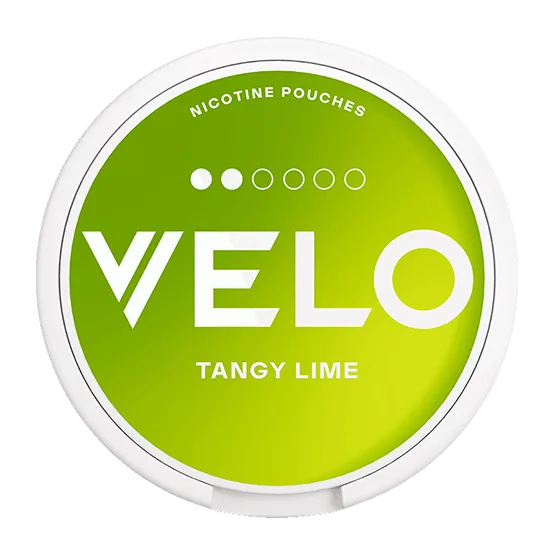
How nicotine release shapes the experience
A pouch does not deliver its full nicotine content in one moment. It sits in the mouth, usually between the gum and lip, where moisture, contact time and the pouch material affect nicotine release. Some pouches begin gently and build. Others give a quicker initial sensation. The same milligram figure can therefore feel sharper in one product than another.
Several practical factors influence that difference:
- Pouch size and fit: a slim pouch may sit more discreetly, while a mini pouch can feel smaller in the mouth. Comfort affects how long the pouch stays in place.
- Moisture level: a wetter pouch may start releasing nicotine sooner. A drier pouch may take longer to settle.
- Flavour and cooling agents: mint or cooling sensations can feel intense without meaning the nicotine content is higher.
- Time left in place: longer contact can change the overall experience, even with the same product.
None of these points turns the milligram figure into a perfect prediction. They explain why strength is a mix of measurement and perception. The mg number tells you roughly how much nicotine is present. Nicotine release, tolerance and pouch design help explain what that amount feels like.
Light nicotine pouches and lower strengths
Light nicotine pouches usually sit at the lower end of a brand's range. They may be labelled with a small milligram figure, a mild strength rating, or both. For someone who is comparing products, that lower number can be helpful because it creates a clear point of reference. It does not guarantee a mild experience for every adult, since tolerance varies and some products release nicotine more noticeably than expected.
Tolerance is a key idea here. An adult who regularly uses nicotine may be less sensitive to a given amount than someone who uses it rarely. That does not make a higher strength automatically better, or a lower strength automatically safer. It simply means the same pouch can be experienced differently from one person to another. Sensations such as a strong taste, a tingling feeling or a quick onset are not reliable measures of nicotine content on their own.
When browsing a retailer such as nicpouch.uk.com, the useful habit is to compare the milligram figure with the strength category and flavour description rather than treating one label as the whole story. A lower strength mint pouch and a lower strength fruit pouch may share a similar nicotine content but feel different because of flavour intensity and cooling effects. The product details can help put the number in context.
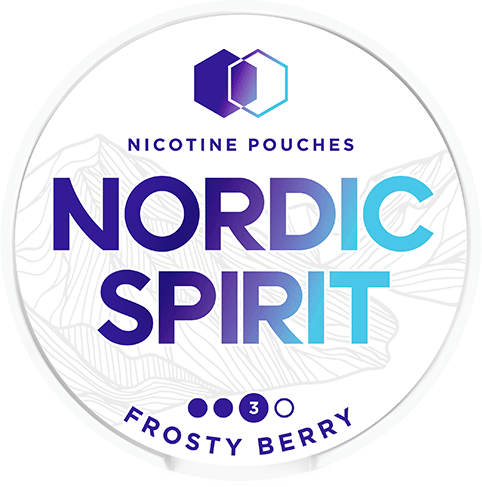
Reading labels without overcomplicating them
A clear label should answer a few basic questions. How much nicotine is in one pouch? Is the figure per pouch or per gram? Does the pack also give a strength rating? Is the pouch described as slim, mini or another size? Once those points are clear, comparison becomes much easier.
Consider two products with similar flavour names and packaging styles. One lists 4 mg per pouch and the other lists 10 mg per pouch. On the basic measure of nicotine content, the first contains less nicotine in each pouch. That is a meaningful difference. If the first is also described as light and the second as strong, the labels agree. If the wording is vague, the milligram figure is usually the more concrete detail.
Now consider two products both listing 6 mg. One is a slim pouch with a cooling mint flavour, and the other is a mini pouch with a sweeter flavour. They may still differ in nicotine release and perceived strength. That does not make the labels misleading. It shows why the milligram figure is a starting point, not a complete description of how a pouch will feel.
There is also a difference between nicotine content and the amount absorbed by the body. A pack cannot tell you exactly how much nicotine a person will absorb, because that depends on individual use and physiology. Claims that sound overly precise should be treated with care. A straightforward mg per pouch figure is easier to understand than a vague phrase promising a particular effect.
Choosing a sensible comparison point
For a practical comparison, start with the number printed for nicotine content. Keep the pouch size in mind, then look at the strength rating and flavour. If the goal is to explore light nicotine pouches, lower milligram options give a more stable reference than flavour alone. A strong cooling flavour can feel powerful even when the nicotine content is modest, so taste is not a reliable shortcut.
It can also help to keep comparisons narrow. Comparing one product from a brand with another product from the same brand often makes the strength scale easier to follow, because that brand's labels are more likely to use the same conventions. Comparing across brands is still possible, but the wording on the pack deserves closer attention. A retailer like nicpouch.uk.com, described as offering nicotine pouches from more than 30 brands organised by strength and flavour, reflects why label reading matters when ranges differ.
Adults who are new to these products may find lower strengths easier to understand because the numbers and categories are less extreme. Adults with an established nicotine tolerance may look for a different range. Either way, the aim is not to guess from packaging alone. It is to read the nicotine content, understand the label format and accept that perceived strength can vary.
What to watch for on a pack
Before comparing products, check whether the milligram figure is tied to one pouch or to a unit of weight. Look for the strength rating near the flavour name. Notice whether the pouch is described as slim or mini, since size changes how the product sits and may affect the experience. If a pack gives only broad words such as mild or extra strong, treat those as rough labels rather than exact measurements.
The key point is simple: milligrams describe amount, while strength describes the overall impression a product is expected to give. Light nicotine pouches are best understood through both. The milligram figure provides the clearest comparison, and the rest of the label explains why two pouches with similar numbers may not feel the same. Reading them together leads to better choices than relying on flavour names, colour coding or a single word on the front of the tin.
Ends · UNDERLIPNOTES